
EmotionalRegulationcan be taught.
Emotional Regulation Literacy™ is a structured approach to helping children recognize what is happening inside them, understand what may be contributing to it, and build the skills to respond with increasing independence.
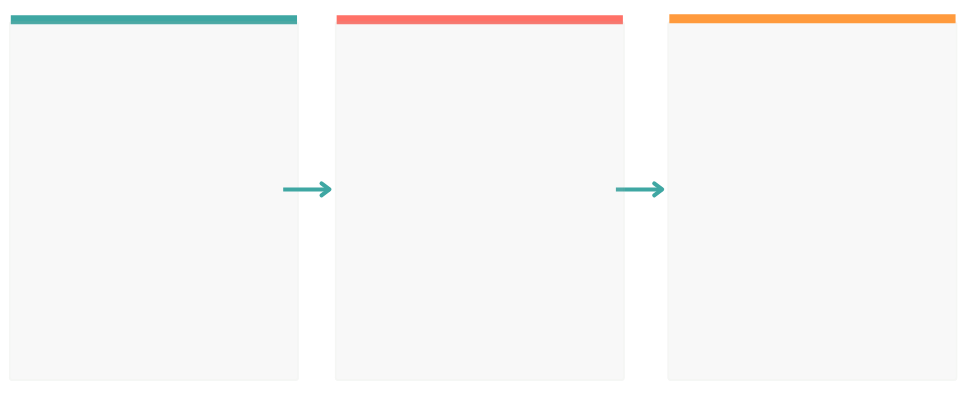
Children learn to recognize, understand, choose, and return.
Emotional Regulation Literacy™ is the ability to recognize and understand internal emotional and physiological experiences, identify what may be contributing to them, and intentionally choose how to respond.
Recognize
Notice body cues, emotions, energy shifts, and internal signals.
Understand
Connect those signals to emotions, needs, triggers, and context.
Choose
Select a regulation strategy or response that fits the child and the moment.
Return
Re-engage with learning, relationships, routines, or whatever comes next.
Knowing a strategy isn't the same as knowing when or how to use it.
Children may demonstrate deep breathing during a lesson and still struggle to access that strategy when they are frustrated, overwhelmed, tired, hungry, anxious, or angry.
Before children can independently choose what may help, they need instruction and practice that helps them make sense of what they are experiencing.
Explore the Research →We do not wait for children to figure out reading. Regulation deserves the same intentional teaching.
The goal is not to eliminate difficult emotions. The goal is increasing understanding, capacity, and independence.
Building on what SEL started.
Social-emotional learning helped establish that children's social and emotional development belongs in education alongside academic learning.
Emotional Regulation Literacy™ takes the next step by approaching these skills as a literacy that can be explicitly taught, practiced, applied, and strengthened over time.
Children build language for their internal experiences and develop the skills to navigate emotions, needs, triggers, choices, and relationships with increasing independence. For schools already invested in SEL, Emotional Regulation Literacy™ can build on that foundation. For schools ready for a different approach, it offers a structured instructional model for teaching these skills through the lens of literacy.

From literacy to action.
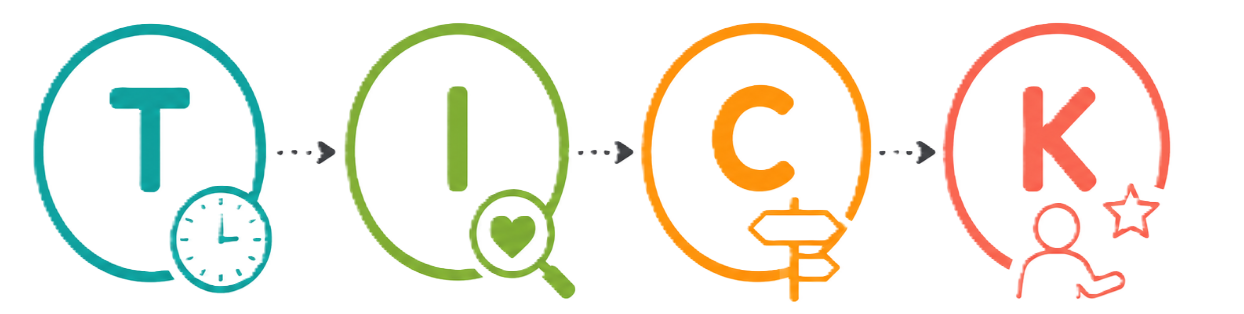
TICK™ gives students a consistent process for pausing, identifying what they are experiencing, choosing a strategy, and moving forward. Curriculum builds the understanding. The TICK™ device supports access in real moments.